
Why is direct dialogue with the manufacturer the key to profitability?
In a traditional B2B model, a request for a new substance or a formulation adjustment triggers a complex cascade of formal steps. Communication via multinational distributors typically involves the need to constantly forward Safety Data Sheets (SDS), Technical Data Sheets (TDS) and certificates of origin, creating a significant administrative workload in practice. Direct dialogue with experts fundamentally changes this process, cutting negotiation time to a minimum.
The economics of time in the development of new products
Direct collaboration with experts can help reduce overall costs. This is not just about the price of raw materials, but also the time of your specialists and storage costs. In the case of large-scale projects such as the development of industrial detergents or construction chemicals, administrative and logistical delays can account for up to 30% of total development time.
European legislation such as REACH and the CLP Regulation requires absolute precision in toxicological profiles and impurity control. Obtaining these critical data through intermediaries increases the risk of information distortion and regulatory non-compliance.
Imagine a situation where your technical team needs to immediately verify the behaviour of EO/PO copolymers in a new matrix. Waiting for a mediated response from the manufacturer via a distributor leads to unnecessary delays. The primary task for manufacturing companies is therefore to eliminate communication barriers and establish direct dialogue with the manufacturer’s laboratory.
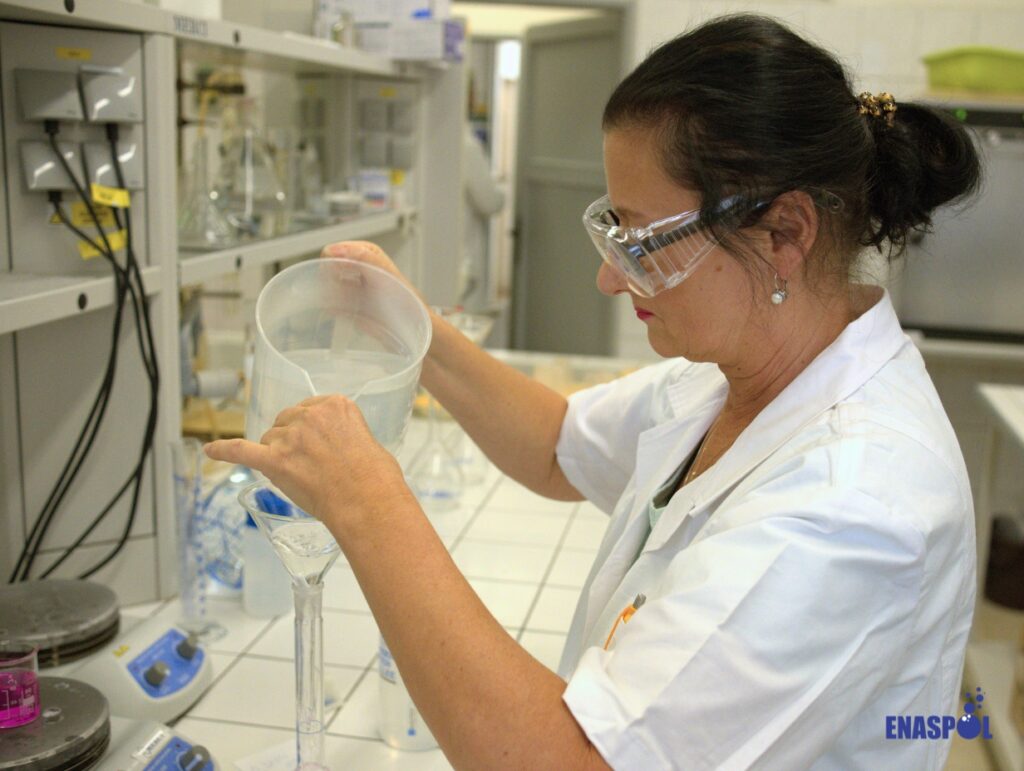
Instead of waiting for emails, one call with a chemist is enough
Direct communication between your technical team and the manufacturer’s laboratory enables the immediate transfer of hard data. Parameters that would normally take weeks of exchanging emails through a distribution network can be defined and agreed in a single expert consultation. The manufacturer’s chemist has direct access to results from gas chromatography, rheometry and titration analyses, and can respond immediately to specific formulation requirements.
Access to raw, unfiltered data also saves time. For specialised materials, where precise viscosity according to ČSN EN ISO 3219 or a specific Critical Micelle Concentration (CMC) plays a role, the laboratory can adjust the synthesis almost in real time. The comprehensive product portfolio is thus not a fixed catalogue, but a starting point for customisation. Modified reference samples are typically dispatched within 48 hours of defining the requirements.
When procurement and R&D work in sync
Each department within a manufacturing company evaluates chemical raw material purchasing based on different metrics. The formulation specialist gains immediate access to detailed physicochemical properties. They know the exact foaming profile, stability in hard water and reactivity with other components of the mixture. If problems such as precipitation or phase separation occur during testing, the manufacturer’s chemist can immediately propose an adjustment to the hydrophilic–lipophilic balance (HLB) of the supplied surfactant based on the data provided.
The Regulatory Affairs specialist benefits from direct access to certifications and analytical reports. At a time when trace levels of reaction by-products are a critical issue, direct contact with a chemist is equally essential. This topic and the relevant control methods are explained, for example, in our guide to 1,4-Dioxane, which shows how maintaining limits below 10 ppm can protect the final product from market withdrawal.
How to stop a full warehouse from draining your cash
Relying on global chemical giants often comes with hidden cost risks in the form of high minimum order quantities (MOQ) and rigid delivery terms. Being forced to purchase full truckloads of raw materials that are consumed over several months ties up working capital and increases the risk of expiry.
Working directly with a mid-sized European manufacturer eliminates this problem entirely. Flexible production allows deliveries in volumes that match your current production plan – from trial IBC containers to regular bulk tanker deliveries. The absence of strict minimum order limits is key to optimising cash flow.
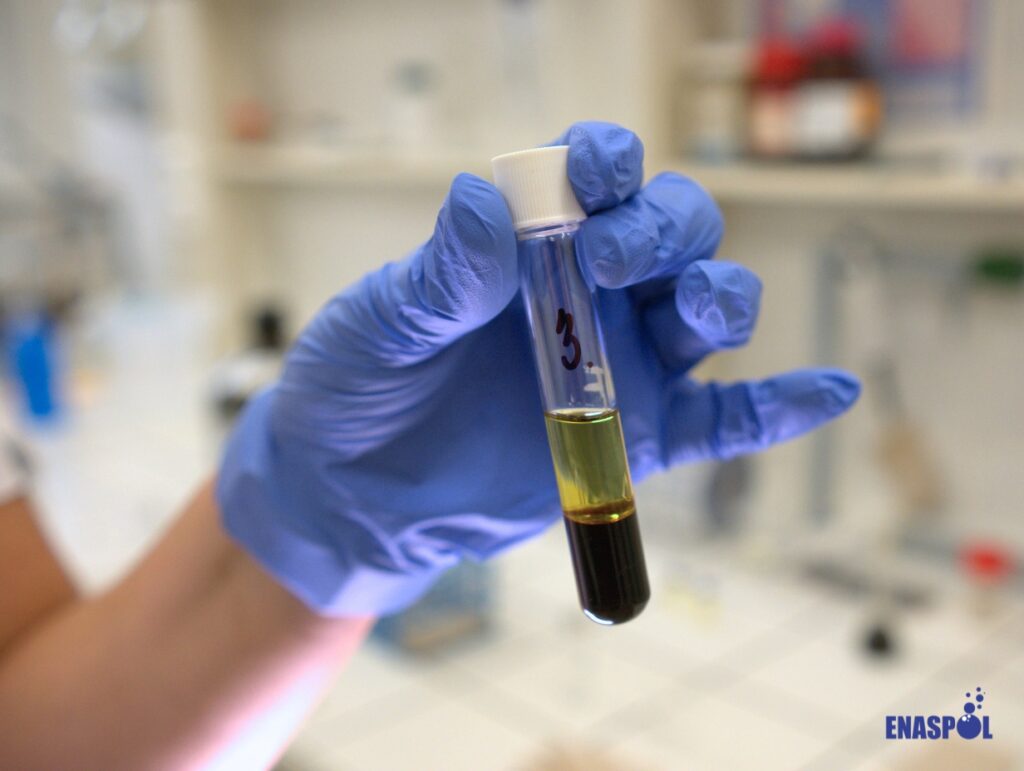
Much faster sample development in practice
In practice, the benefits of direct contact are most evident in critical situations, or when developing entirely new product lines. In a traditional model, obtaining a modified SLES (Sodium Laureth Sulfate) sample with a different preservative concentration can take three to four weeks. The request is sent from the sales representative to regional headquarters, then to production planning, and back again.
Direct communication with a company chemist cuts this process to a matter of days. A fast iterative loop: testing → feedback → adjustment of the formulation → new sample. If a technologist specifies the need for an anionic surfactant with defined viscosity for use in a highly alkaline environment, the laboratory can carry out small-scale synthesis, test stability, and send a reference sample within 72 hours, supported by a current Certificate of Analysis (CoA).
Rapid formulation adjustment reduces the risk of defects
Every industrial formulation is a sensitive ecosystem. Replacing one surfactant with another can result in significant changes in the final product. Working directly with a chemist who understands the precise carbon chain distribution of their product helps to prevent such fatal failures.
If the customer’s technologist observes precipitation at low temperatures (known as the cloud point problem), the manufacturer’s chemist can accurately identify the cause based on the data provided. This may be due to incompatibility between cationic and anionic components or an inappropriate degree of ethoxylation. The laboratory can then propose a specific adjustment, such as adding a particular hydrotrope or switching to a more hydrophilic surfactant.
How to modernise procurement?
Sticking with established distribution models can mean sacrificing the speed of innovation and cost optimisation. Direct technical support and custom manufacturing are essential for maintaining long-term profitability and regulatory compliance. Identify the raw materials where you are facing quality issues, high minimum order quantities, or insufficient technical support. Initiate direct dialogue with the primary manufacturer and stop losing time.
Contact our technical team directly and receive a tailored sample within days.